
ZJILI: A STORY OF SISTERHOOD AND THE BURDENS OF EXCESS (TIFF 2026) – Review by Leslie Combemale
TIFF release Zjili: A Story of Sisterhood and The Burdens of Excess producer/directors Christine Boateng and Hajara Musah Chambas are Ghanaian, and specifically interested in amplifying marginalized voices, and exploring societal issues. That has a huge impact on the authenticity and emotional gut punch of their femme forward drama. Champas has a background in advocacy and research in the lived experiences of the female porters, or “Kayayei” in Ghana. Accra-based filmmaker Boateng largely places her attention on identity and culture. They bring their combined expertise and experience to an empathetic narrative full of both hope and despair, never trying to suggest solutions to the huge issues facing women and young girls in Ghana.
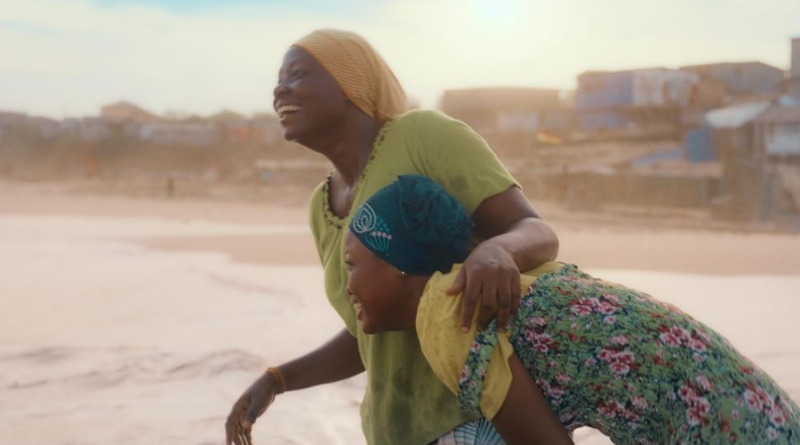
The word in the film’s title means “heavy” or load”, and that’s what is being placed, both physically and emotionally, on the lead character Zoya (Rahana Abdallah). A gifted student, her plans for higher education are thwarted when her father dies, and she’s betrothed to a man twice her age. She escapes to Accra with her mother’s blessing, but finds herself trapped in a dead end job as one of many female porters carrying heavy loads for paying customers. Like so many women and girls who surround her, she’s trying to make enough money to make her specific dreams a reality. Headporter Teiya (Esinam Semordzi) takes her under her wing, although she too has a dream, to raise enough money to start a hair salon back home, where she’s left the ailing mother and young daughter she misses terribly. Also challenged is small time landlord Chalpang. She too works too hard for too little. It’s hard not to succumb to hopelessness when dreams take a back seat to survival. What allows for joy and celebration even in the midst of back-breaking work is the camaraderie and support of a large sisterhood of women in the same situation.
Even though aspects of Zjili are really depressing, especially knowing bright girls like Zoya exist in the real world trapped between the choice of being a child bride and living a life of servitude, Chambas and Boateng never let the despair become the single note. They show how these women find moments of contentment and even joy amidst their challenges. They capture some of the darker aspects of their experience, but also hightlight their tenacity and resilience. Only filmmakers familiar with the experiences of the female porters being centered could find that balance. Zjili can often be a hard watch, and even to the last moments onscreen, there are no solutions or tidy happy endings offered, which is just as well. These filmmakers just get out of the way and let this women’s story tell itself.
3 1/2 out of 5 stars.
